
Retina Specialist Care and Treatment in Malaysia
Retinal treatments in Malaysia focus on checking and managing diseases that affect your retina, the light-sensitive layer at the back of your eye that gives you vision.
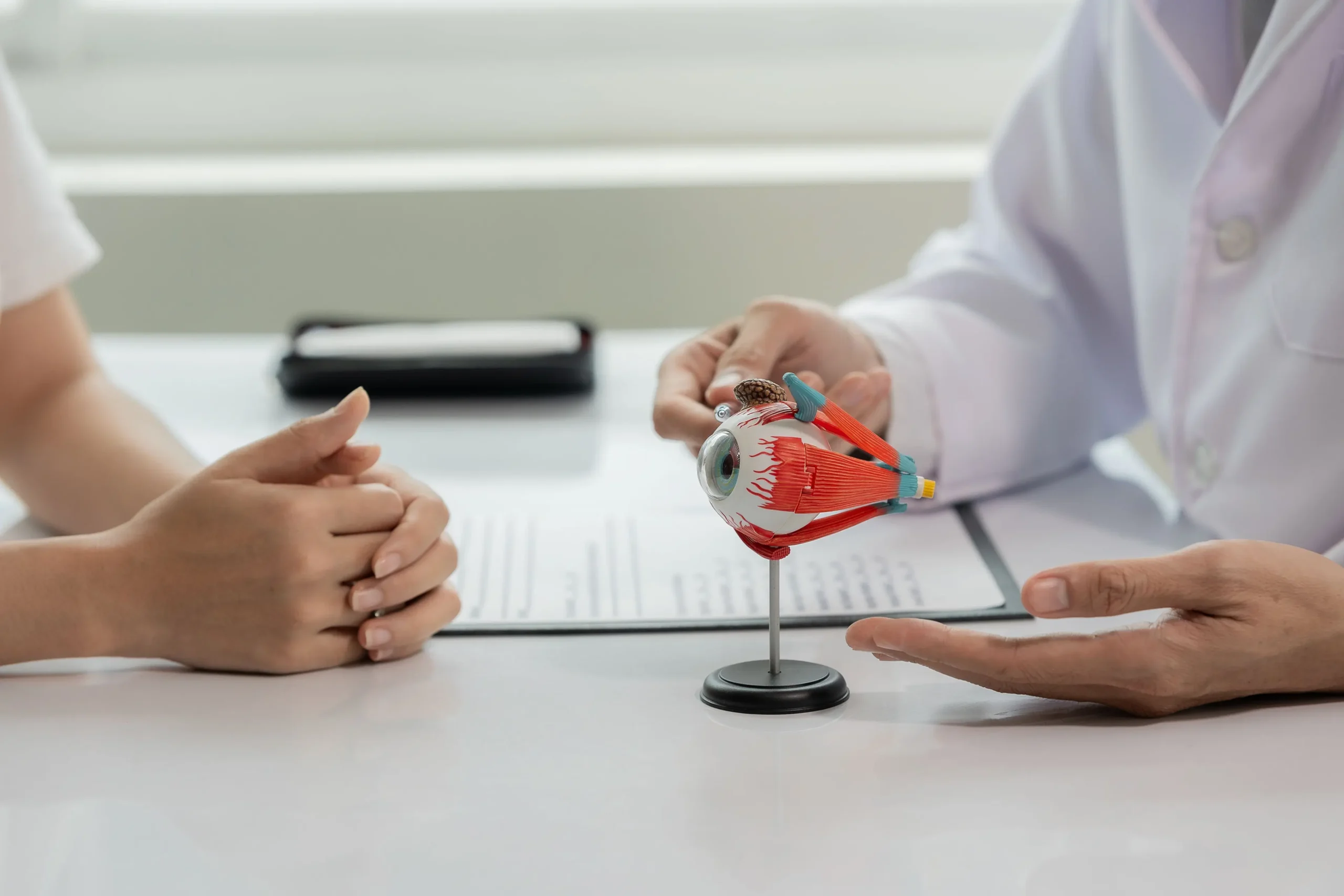
Retina Specialist Care and Treatment in Malaysia
Retinal treatments in Malaysia focus on checking and managing diseases that affect your retina, the light-sensitive layer at the back of your eye that gives you vision. Retinal conditions can cause blurry sight, distorted images, or even permanent blindness if not treated early.
At Eagle Eye Centre, our eye specialists offer detailed check-ups and modern treatments for various retinal issues using advanced eye scans and trusted medical care.
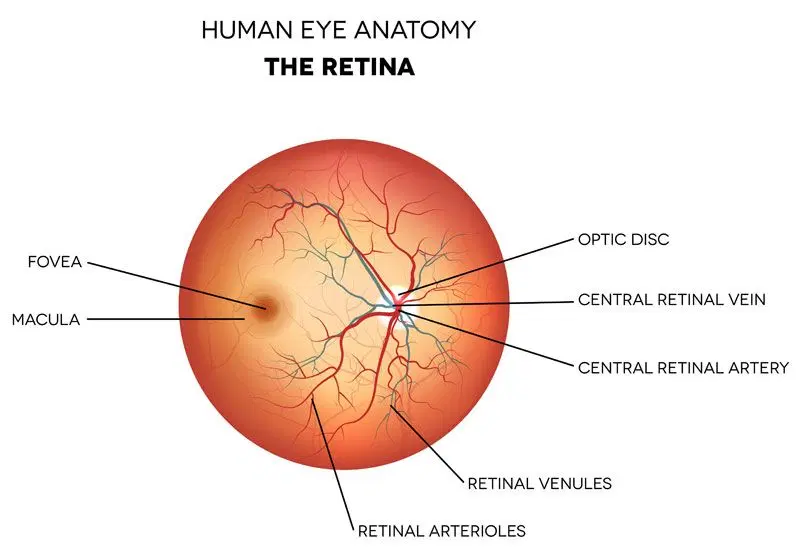
What are retinal conditions?
Retinal conditions are diseases that damage the retina and can cause your eyesight to change or fade if left untreated. These diseases can harm your central vision (which you use for reading and recognizing faces) or your side vision. Finding and treating these issues early is highly important to protect your sight for the long term.
Common Retinal Conditions
You may need specific retinal treatments if you have conditions like:
Retinal detachment
The retina suddenly pulls away from the back of the eye.
Diabetic retinopathy
Retina damage caused by high blood sugar from diabetes.
Age-related macular degeneration (AMD)
A slow loss of your sharp, central vision.
Retinal vein occlusion
A blocked blood vessel (vein) in the retina.
Macular oedema
Fluid buildup and swelling in the central part of the retina.
Retinal tears
A small rip or hole forming in the retinal tissue.

Symptoms of Retinal Problems
Retinal diseases can show up with a variety of warning signs, such as:
- Blurry or warped vision
- Sudden floating spots (dark dots or cobweb-like shapes)
- Quick flashes of light
- A dark shadow or “curtain” falling over your sight
- Sudden loss of vision
Some retinal diseases grow slowly without giving you any early warning signs, which is why routine eye checks are so vital.
Diagnosis and treatment of retinal conditions
An eye specialist will carry out a thorough eye check to look closely at your retina and find the true cause of your symptoms. The right treatment depends completely on your specific eye condition, how serious it is, and its root cause.
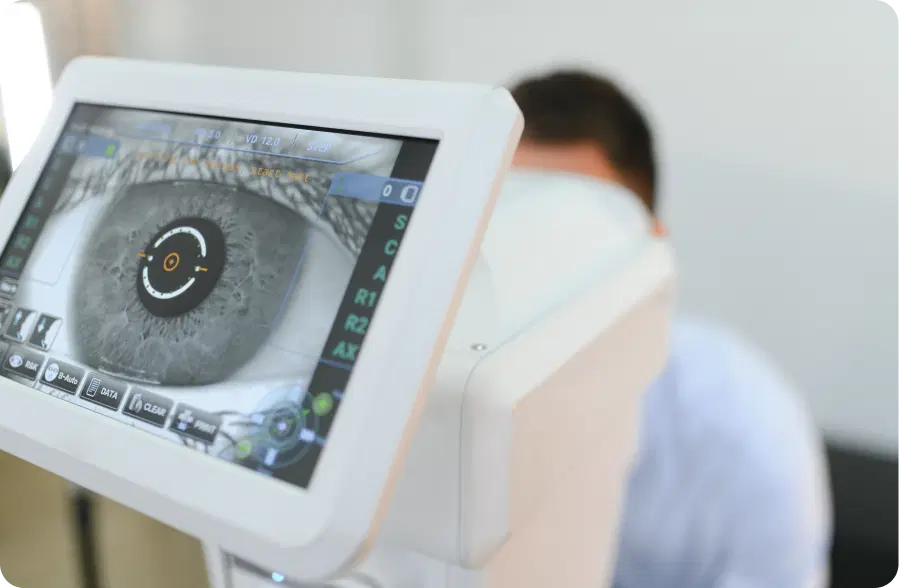
How retinal conditions are diagnosed
Your clinic visit may include:
- Using special eye drops to widen your pupils for a clear view
- Optical Coherence Tomography (OCT) 3D eye scans
- Detailed photography or imaging of your retina
These simple tests help spot retinal diseases early and allow us to plan your treatment accurately.
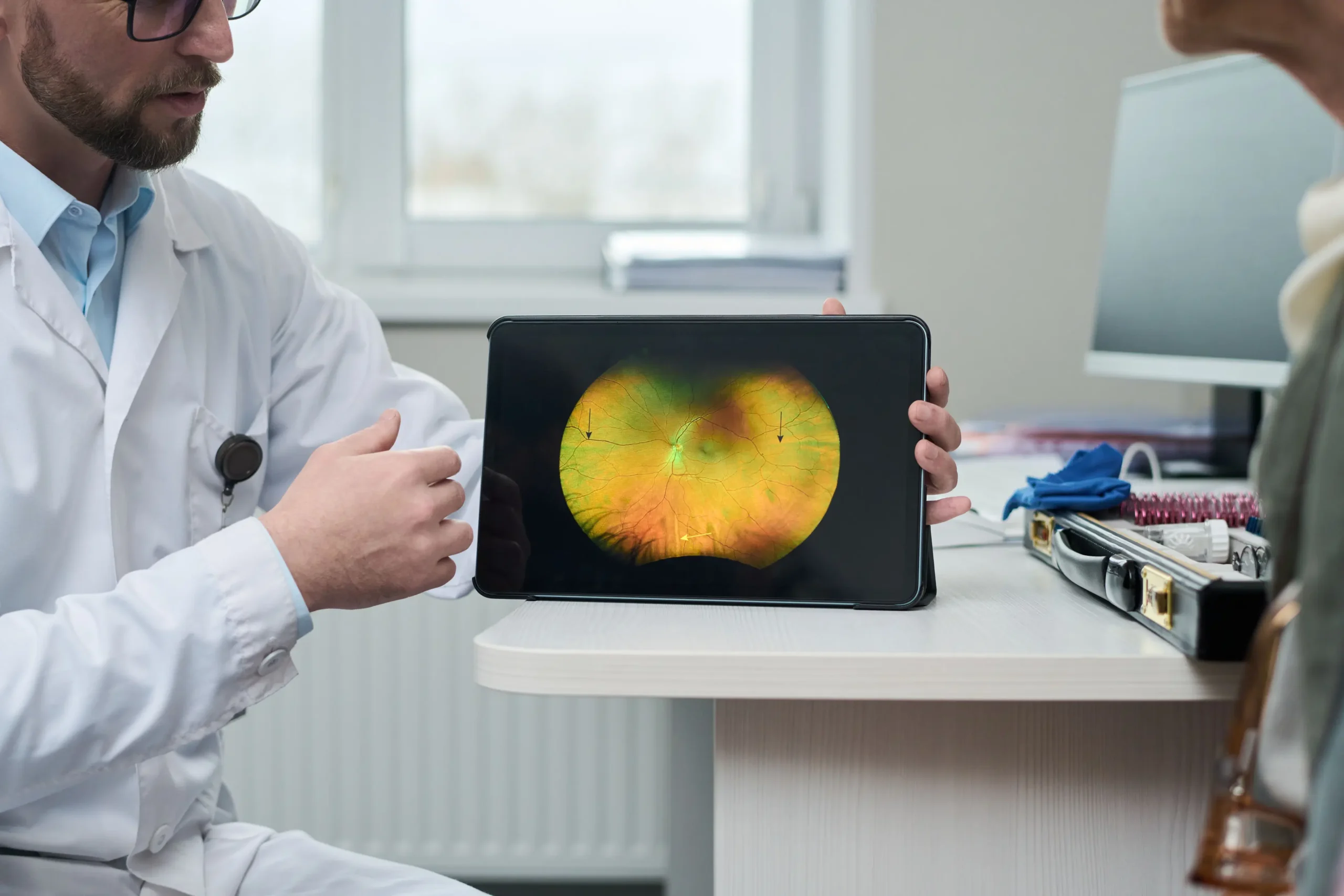
Types of retinal treatments
The chosen treatment relies heavily on the specific retinal disease, its severity, and its main cause.
- Eye Injections: These injections deliver medicine straight into the eye. They are very commonly used to treat age-related vision loss, diabetic eye swelling, and blocked retinal veins.
- Laser Treatment: Gentle laser therapy is often used to fix retinal tears, manage diabetic eye damage, and treat specific blood vessel problems.
- Vitrectomy Surgery: This is a specialized keyhole eye surgery used to fix serious issues like a detached retina, macular holes, or heavy bleeding inside the eye.
- Other Retinal Treatments: Other medical options might be suggested based on your exact eye condition and the doctor’s check-up results.
Our Specialists
At Eagle Eye Centre Malaysia, our retina specialists provide comprehensive assessment and treatment for conditions such as diabetic retinopathy, age-related macular degeneration, retinal tears and retinal detachment. Using detailed eye examinations and retinal imaging such as Optical Coherence Tomography (OCT), our specialists evaluate the retina and recommend personalised care based on the diagnosis, severity and individual visual needs. Regular monitoring helps track retinal changes and guide ongoing treatment.

Dr Anis Farhad Murshid
Consultant Ophthalmologist

Dr Sim Sing Yue
Consultant Ophthalmologist

Dr Wilson Ch’ng Soon Wai
Consultant Ophthalmologist
Don't overlook changes in your vision
WHAT YOU SEE MATTERS
Small or sudden changes in how you see can often be a warning sign of a retinal problem that needs quick medical care. While not every sign is dangerous, getting it checked early gives you peace of mind and allows for fast treatment if required. If your eyesight feels unusual, you should definitely have it checked by an eye specialist.
Frequently asked questions
Have questions about eye health? Our team can help you understand your condition and treatment options.
- Seek urgent medical assessment if you suddenly develop many new floaters, flashes of light or a dark shadow or curtain across your vision.
- Sudden blurred or distorted vision and sudden vision loss also require prompt medical attention.
- These symptoms may indicate a retinal tear, retinal detachment or another serious eye condition.
- Retinal specialists diagnose and manage conditions affecting the retina and vitreous.
- These include retinal tears and detachments, diabetic retinopathy, age related macular degeneration, retinal vein occlusion and macular oedema.
- The appropriate care depends on the condition and its severity.
- Your examination may include dilating eye drops to allow the specialist to examine the retina.
- Additional tests may include Optical Coherence Tomography (OCT) or detailed retinal photography.
- These tests help identify changes in the retina and guide the monitoring or treatment plan.
- No. A small number of stable floaters may occur as part of the natural ageing process.
- However, a sudden increase in floaters, new flashes, a dark shadow or curtain, or sudden vision loss requires urgent assessment.
- A dilated retinal examination can determine whether the symptoms are related to a retinal tear or detachment.
- Treatment depends on the diagnosis, severity and effect on your vision.
- Options may include regular monitoring, laser treatment, intravitreal injections or retinal surgery.
- Your retinal specialist will recommend an appropriate management plan after a comprehensive examination.
