
EPI-LASIK Eye Surgery
EPI-LASIK is a highly safe and proven laser eye surgery that gently reshapes the clear front surface of your eye to fix common vision issues like short-sightedness, long-sightedness, and astigmatism.
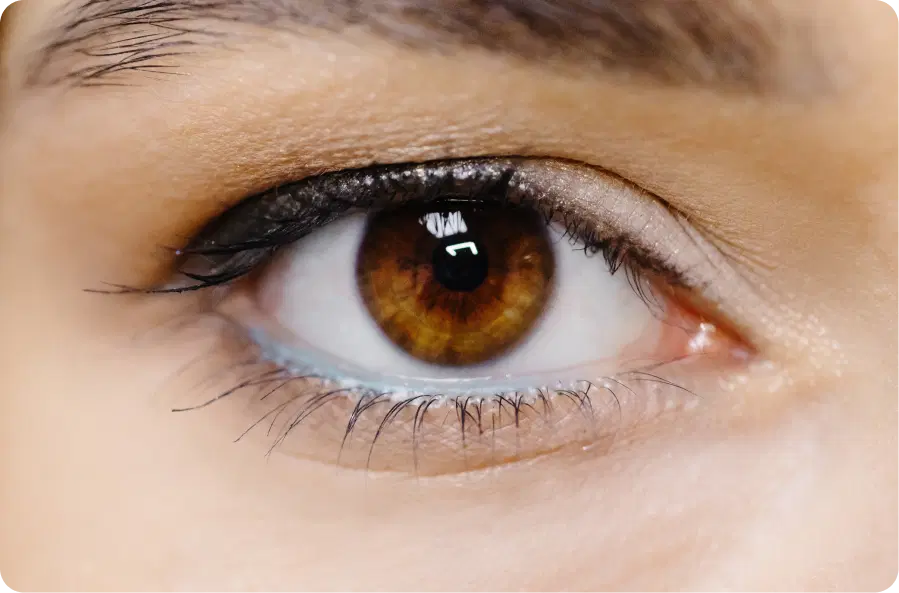
EPI-LASIK eye surgery in Malaysia
EPI-LASIK is a highly safe and proven laser eye surgery that gently reshapes the clear front surface of your eye to fix common vision issues like short-sightedness, long-sightedness, and astigmatism. Unlike traditional LASIK, this is a “flap-free” method, meaning no deep cuts or flaps are made in your eye. This makes it a highly preferred choice for people with naturally thin eyes or those who live a very active, sporty lifestyle.
This treatment belongs to the “surface laser” family, which also includes PRK. It delivers excellent, long-lasting clear vision while completely removing the risks that come with creating a cut flap. At Eagle Eye Centre, this treatment is performed by our highly experienced eye doctors using top-tier laser technology, ensuring a safe, customized, and beautiful result.
What is EPI-LASIK?
EPI-LASIK is an advanced surface laser treatment that reshapes your eye without needing to cut a deep flap. By skipping the flap, it completely removes the risk of flap-related issues that can sometimes happen with traditional LASIK.
During the treatment, the very thin, clear skin on the surface of your eye is gently brushed aside. An advanced laser then carefully reshapes the tissue underneath, allowing light to focus perfectly on the back of your eye so you can see clearly without glasses.
Quick Facts about EPI-LASIK
A bladeless surface-based laser vision correction procedure
No deep cuts or eye flaps are created
Perfect for people with thin eye surfaces or very sporty lifestyles
Recovery is slower than LASIK but offers excellent long-term results
Performed safely by our trained eye doctors at Eagle Eye Centre
Custom EPI-LASIK
Custom EPI-LASIK is a highly personalized upgrade. It uses advanced 3D mapping technology to measure and fix not just your main glasses prescription, but also tiny, hidden flaws in your vision. These tiny flaws are what cause annoying glare, halos around lights, or poor sight when driving at night.
The 3D scanner maps exactly how light travels through your eye to create a completely unique vision profile. The laser then uses this map to create a highly accurate treatment just for you, resulting in sharper and higher-quality vision.
What vision problems can EPI-LASIK correct?
This laser treatment is a fantastic solution for fixing common issues that blur your sight:
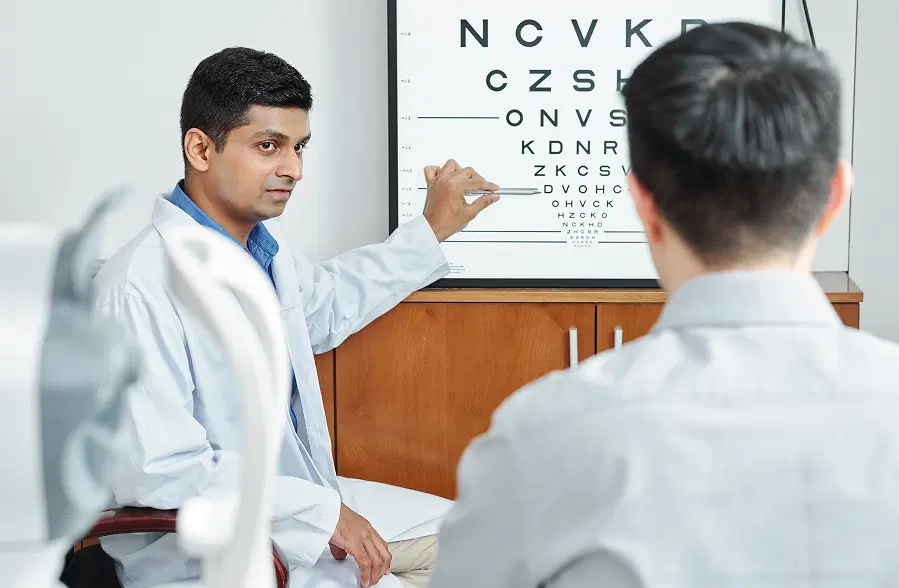
Myopia (short-sightedness) Typically up to -10.00 dioptres
Typically up to -10.00 diopters. People with short-sightedness can see things close up, but far away things are blurry. The laser reshapes the eye so light focuses perfectly, giving you sharp distance vision.

Hyperopia (long-sightedness) Up to +6.00 dioptres
This makes seeing things close up very difficult, while distance vision stays clear. The laser adjusts the eye’s curve to bring near objects into sharp focus.

Astigmatism
This happens when your eye is shaped slightly unevenly (like a rugby ball), making everything blurry at any distance. The laser smooths out the shape to give you crystal-clear sight.
In many cases, this treatment is highly recommended for patients who were told they cannot get normal LASIK because their eyes are too thin.
Am I a candidate for EPI-LASIK
This laser treatment is recommended for people who:
Have naturally thin eye surfaces
Have mild to moderate short-sightedness
Play heavy contact sports or live a very active lifestyle
Prefer a safer, flap-free option for fixing their vision
Treatment Process
-
Step 1
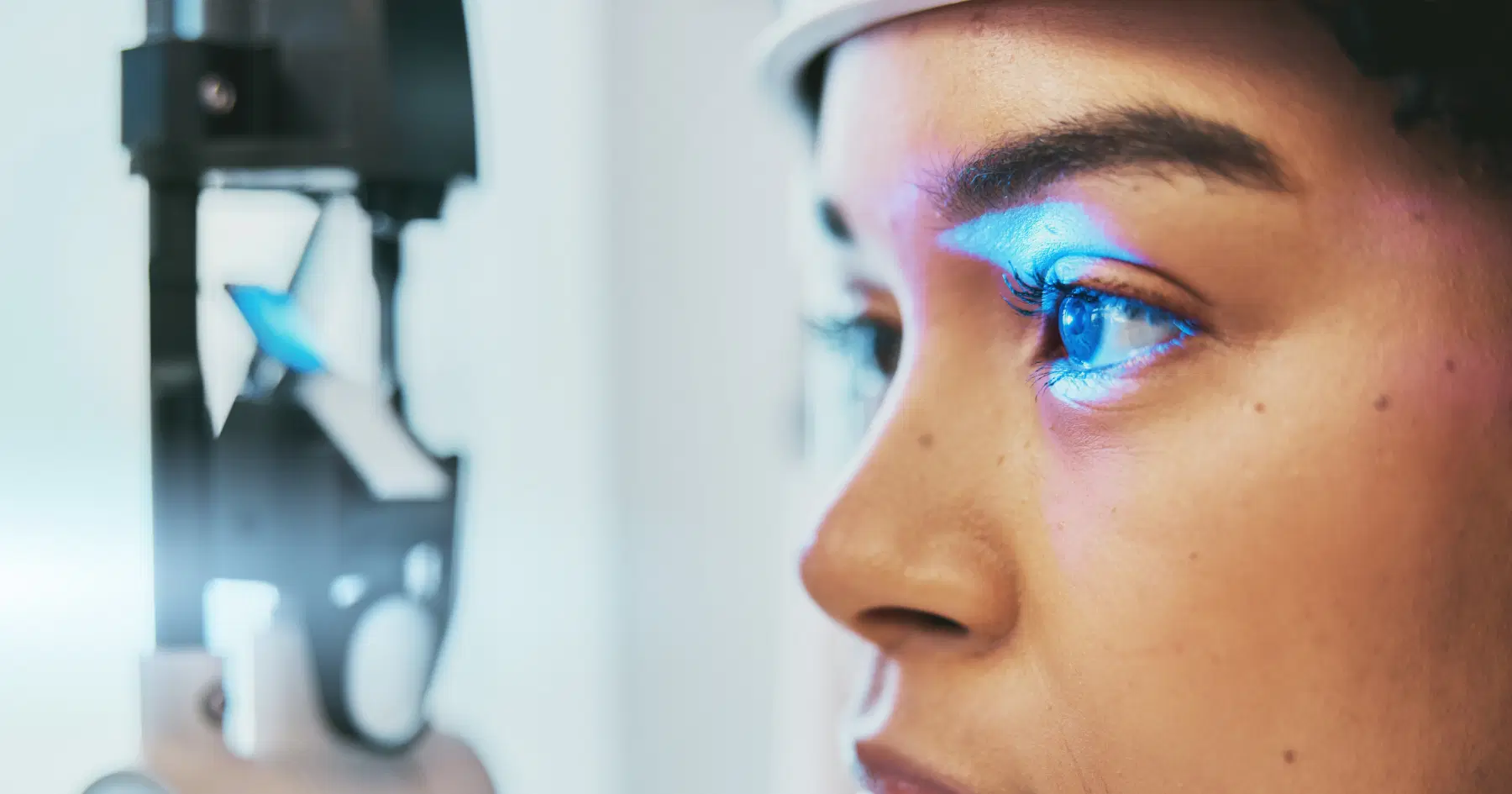
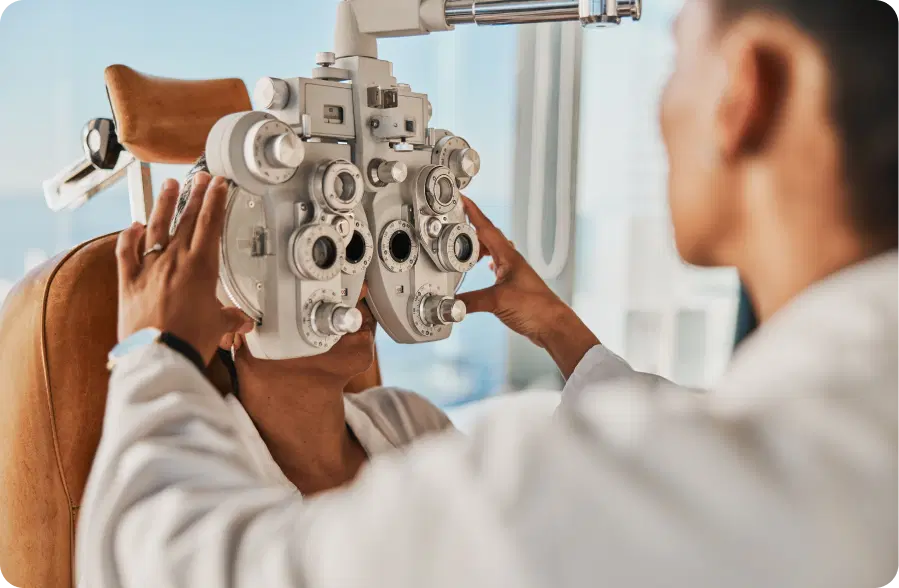
Pre-Refractive Assessment - Eye scans, evaluation, consultation.
-
Step 2
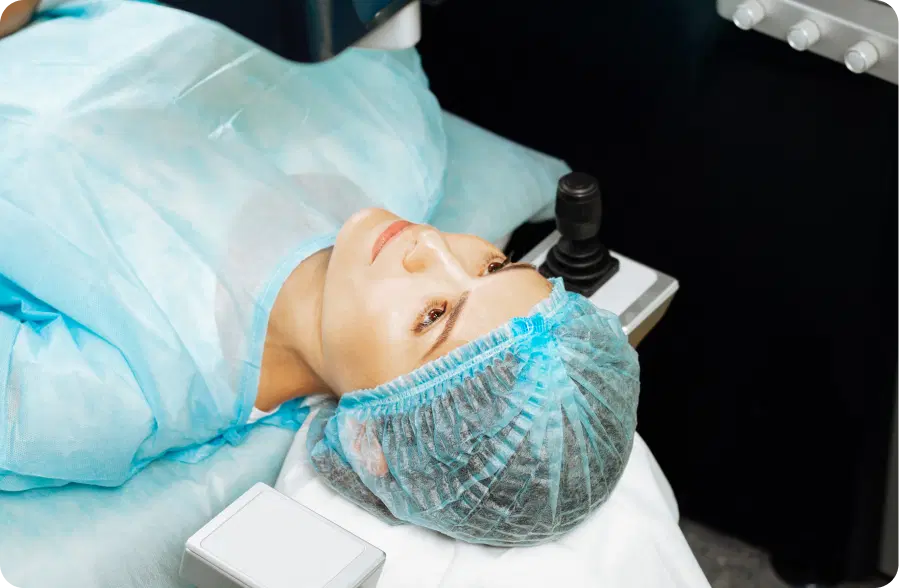
Surgery Day - Eye preparation, laser correction.
-
Step 3
Recovery - Brief rest, medication provided.
-
Step 4
Follow-Up Care - Reviews on Day 1, Week 1, Month 1, and as advised.

Treatment Comparison Guide
Procedure
- Bladeless LASIK
- ZEISS SMILE pro 2.0
- Epi-LASIK
- Trans PRK / No Touch EPI-LASIK
Technology Used
- Flap technique
- Lenticule technique
- Surface laser technique
- Surface excimer laser (No touch)
Best for
- Most refractive errors
- Most refractive errors, Active lifestyles, contact sports
- Patients with thin corneas, Active lifestyles, contact sports
- Active lifestyles, contact sports, thin corneas
Recovery Time
- 1 to 2 days
- 1 to 2 days
- 5 days to 3 months
- 5 days to 3 months
Recovery & aftercare
While your eye heals over the first few days, your final, perfect vision will continue to settle over the next 3 months. Following your home-care steps, like using your eye drops daily, is the key to a fast and smooth recovery.

3 to 5 Days Post-Surgery
You might feel a bit of soreness, have slightly blurry vision, and feel sensitive to bright lights. Seeing halos or glare is also normal. You will start using your special healing eye drops during this time.
1 Week Post-Surgery
Your sight will start to get much clearer, and most people can go back to their light, daily routines.
1 Month Post-Surgery
Annoying side effects like dry eyes or glare will start to fade away, and your eyesight will become very steady.
3 Months Post-Surgery
At this stage, most patients can achieve relatively satisfactory visual results. Halos and glare are usually significantly reduced or disappear altogether.
Frequently asked questions
Have questions about eye health? Our team can help you understand your condition and treatment options.
- Yes. At Eagle Eye Centre, both eyes are commonly treated during the same session when clinically appropriate.
- Treating both eyes together can reduce overall downtime and avoid a temporary imbalance in vision while one eye recovers.
- In some cases, separate treatment dates may be recommended based on your eye health, prescription or individual preference.
- A comprehensive refractive assessment is required before treatment.
- Your ophthalmologist will evaluate your prescription stability, corneal shape and thickness, tear film and overall eye health.
- Your age, occupation, lifestyle and vision goals will also be considered.
- EPI-LASIK will be compared with other options, such as LASIK, SMILE or implantable lenses, to determine an appropriate treatment.
- Recovery after EPI-LASIK is generally slower than after LASIK because the corneal surface needs time to regrow.
- LASIK patients often regain functional vision within about 24 hours.
- Initial recovery after EPI-LASIK usually takes around five days to one week.
- Vision may continue to fluctuate and stabilise over one to three months, depending on individual healing.
- Numbing eye drops are used, so significant pain is not normally expected during the procedure.
- You may feel a mild pressure sensation during treatment.
- Soreness, scratchiness, tearing or sensitivity to light may occur during the first few days.
- Prescribed eye drops and pain relief medication can help manage these symptoms.
- Temporary side effects may include dry eyes, blurred or fluctuating vision, light sensitivity, glare and halos.
- These symptoms often improve gradually as the eyes heal, although recovery time varies.
- Less common risks include infection, corneal haze and undercorrection or overcorrection.
- Contact your ophthalmologist if symptoms persist, become worse or are accompanied by significant pain or reduced vision.
- EPI-LASIK is generally not recommended during pregnancy or breastfeeding.
- Hormonal changes may temporarily affect the corneal shape and prescription, making treatment results less predictable.
- Some medications used before and after surgery may also need to be considered during pregnancy or breastfeeding.
- Treatment should usually be postponed until breastfeeding has ended and your prescription has stabilised. Your ophthalmologist will advise you on the appropriate timing.
- Light daily activities can often be resumed within five to seven days, depending on your recovery.
- Swimming and water sports should generally be avoided for at least two weeks.
- Strenuous exercise and contact sports should be resumed only after your ophthalmologist confirms that the eye surface has healed sufficiently.
- Air travel may be possible after about five days if recovery is progressing normally, but you should confirm this with your doctor and consider your follow-up schedule.
- A medical certificate may be provided according to the procedure and your clinical needs.
- Many patients require around five working days away from work.
- Additional recovery time may be needed depending on healing progress and the nature of your job.
- EPI-LASIK does not create a corneal flap, but it permanently removes a measured amount of corneal tissue.
- Preoperative scans and treatment planning help ensure that sufficient corneal tissue remains after surgery.
- Although uncommon in appropriately selected patients, corneal weakening or ectasia remains a possible risk of laser vision correction.
- A small amount of short-sightedness, long-sightedness or astigmatism may remain after treatment.
- Glasses or contact lenses may be used if additional vision correction is needed.
- Enhancement treatment may be considered after your prescription has stabilised and your cornea has been reassessed.
- Not every patient is suitable for further laser treatment, and the timing varies according to individual recovery.
- Yes. Glasses can still be prescribed if additional correction is needed.
- Contact lenses may also be possible, although the altered corneal shape can make fitting more complex.
- An eye care professional can determine whether soft, rigid gas permeable or other specialised lenses are appropriate.
- The corneal reshaping performed during EPI-LASIK is permanent.
- However, this does not guarantee that your vision will remain unchanged throughout life.
- Refractive changes or regression may occur over time.
- Natural ageing conditions such as presbyopia and cataracts can still affect vision and may result in a future need for glasses or other treatment.
WHAT YOU SEE MATTERS
Schedule an eye check up
If you are thinking about fixing your vision with EPI-LASIK, our friendly team at Eagle Eye Centre is here to support you every step of the way. During your visit, our experienced eye doctors will do a full, detailed eye check to see if this flap-free laser treatment is the perfect choice for your eyes.
