
Glaucoma Treatment
Glaucoma is a serious eye condition primarily associated with elevated eye pressure (intraocular pressure).
Glaucoma Treatment
Glaucoma is a serious eye condition primarily associated with elevated eye pressure (intraocular pressure). If left untreated, it can lead to progressive and irreversible vision loss, as the disease gradually damages the optic nerve over time.
Clinically recognized as the “silent thief of sight,” early-stage glaucoma typically presents with absolutely no noticeable symptoms. Because of this stealthy progression, undergoing routine comprehensive eye exams is essential for early detection, timely medical intervention, and the long-term preservation of your vision.
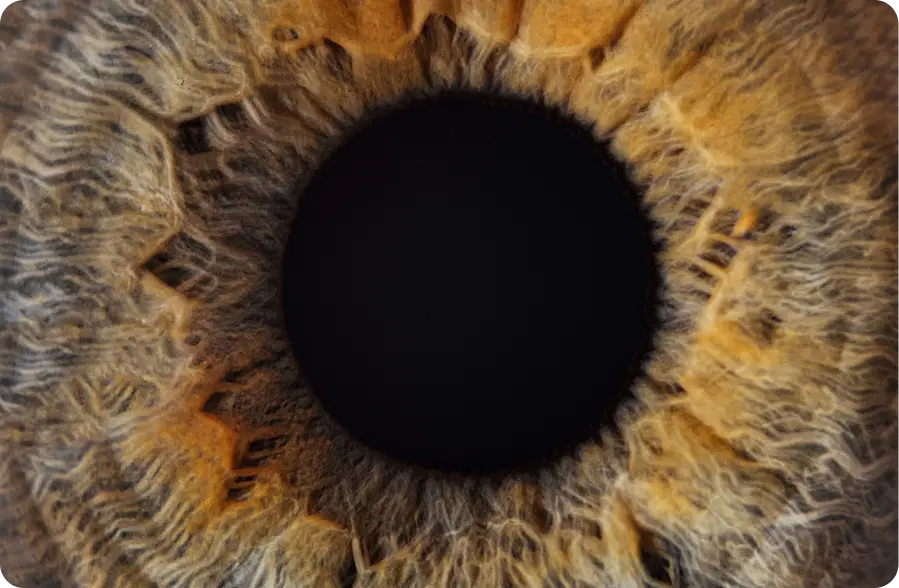
What is glaucoma?
Glaucoma is a complex eye condition characterized by progressive damage to the optic nerve,the critical pathway responsible for transmitting visual information from your eye to your brain.
While this nerve damage is most commonly associated with elevated intraocular pressure (IOP), it is important to note that glaucoma can still develop in individuals whose eye pressure falls completely within a normal range. Without timely clinical intervention and continuous monitoring, severe cases of glaucoma can ultimately result in permanent, irreversible vision loss.
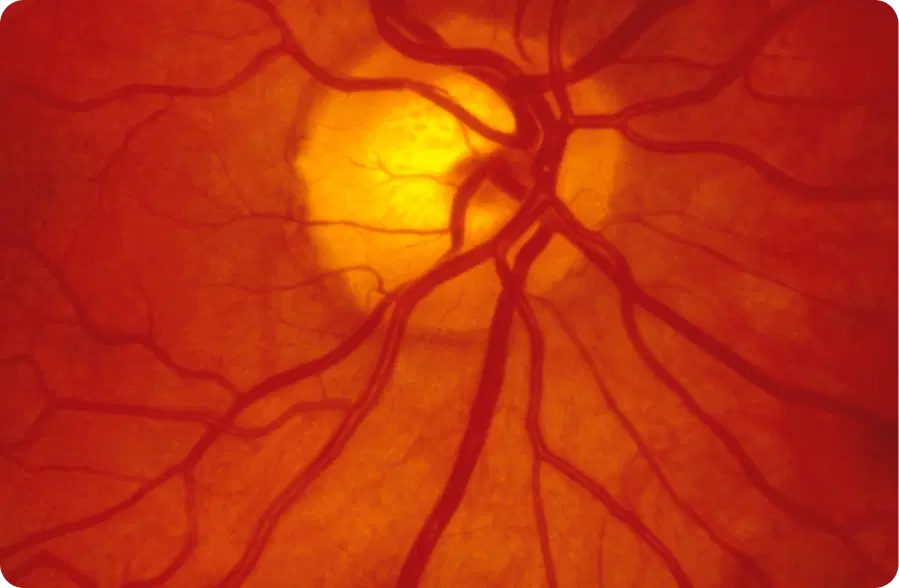
Why glaucoma is serious?
Glaucoma ranks as a leading global cause of irreversible blindness, disproportionately affecting older adults. The primary danger of this condition lies in its highly stealthy progression. Because early-stage glaucoma is virtually asymptomatic, causing no physical pain or noticeable visual disturbances.
Many elderly patients remain completely unaware of their condition until severe and extensive optic nerve damage has already occurred. It is vital to understand that any vision loss caused by glaucoma cannot be restored. Therefore, proactive early diagnosis and consistent long-term clinical management are absolutely critical to halting its progression and preserving your eyesight.
Causes & risk factors
The most significant clinical risk factor for developing glaucoma is elevated intraocular pressure (IOP). This dangerous pressure buildup typically occurs when there is a structural imbalance between the continuous production and the natural drainage of the eye's internal fluid (known as aqueous humor). However, it is crucial to recognize that eye pressure is not the sole indicator of the disease. Under specific circumstances, certain highly susceptible individuals may still experience progressive optic nerve damage even when their IOP remains completely within a "normal" range. Some causes & risk factors are :
Increasing age
Family history of glaucoma
Previous eye injuries or trauma
Long-term use of steroid medications
(eye drops or systemic steroids)
Diabetes and high blood pressure
High myopia or high hyperopia
Eye inflammation
Advanced cataracts
Previous eye surgeries

How glaucoma affects vision?
Vision loss from glaucoma typically begins in your peripheral (side) vision, slowly and progressively narrowing inwards toward the center. Complicating matters, if only one eye is affected, your healthy eye will often subconsciously compensate for the damaged eye, masking the visual deficit. Because early-stage glaucoma is virtually asymptomatic,causing no pain or noticeable changes to your daily vision, many patients remain entirely unaware of their condition until significant optic nerve damage has already occurred.
Ultimately, this delayed treatment leads to permanent, irreversible vision loss. For this reason, proactive early diagnosis and consistent long-term clinical management are absolutely critical to preserving your eyesight.
Types of glaucoma

Angle-closure glaucoma
Angle-closure glaucoma occurs when the drainage angle between the iris and cornea becomes narrowed or blocked. This restricts the outflow of fluid from the eye, causing eye pressure to rise and potentially damage the optic nerve.
- Acute angle-closure glaucoma is an eye emergency. Symptoms may appear suddenly and include severe eye pain, headache, nausea or vomiting, blurred vision, halos around lights and eye redness. Anyone experiencing these symptoms should seek immediate medical care.
- Chronic angle-closure glaucoma develops more gradually and may cause few or no noticeable symptoms in its early stages.
For selected patients with narrow or occludable drainage angles, an ophthalmologist may recommend laser peripheral iridotomy to reduce the risk of an acute attack. Treatment depends on the degree of angle narrowing, eye pressure, optic nerve health and individual risk factors.

Secondary glaucoma
This type is triggered by other eye problems or health issues, such as:
- Eye accidents or surgeries
- Eye swelling (inflammation)
- Very thick cataracts
- Using steroid medicines for a long time
- Diabetes
The symptoms depend entirely on what underlying issue is causing the pressure to rise.

Congenital glaucoma
Congenital glaucoma is a rare form of childhood glaucoma that may be present at birth or develop during the first few years of life. Common signs include unusually large eyes or corneas, a cloudy cornea, excessive tearing and sensitivity to light. Prompt assessment by a paediatric ophthalmologist is important, as early diagnosis and treatment can help control eye pressure and reduce the risk of permanent vision loss.
Screening & diagnosis
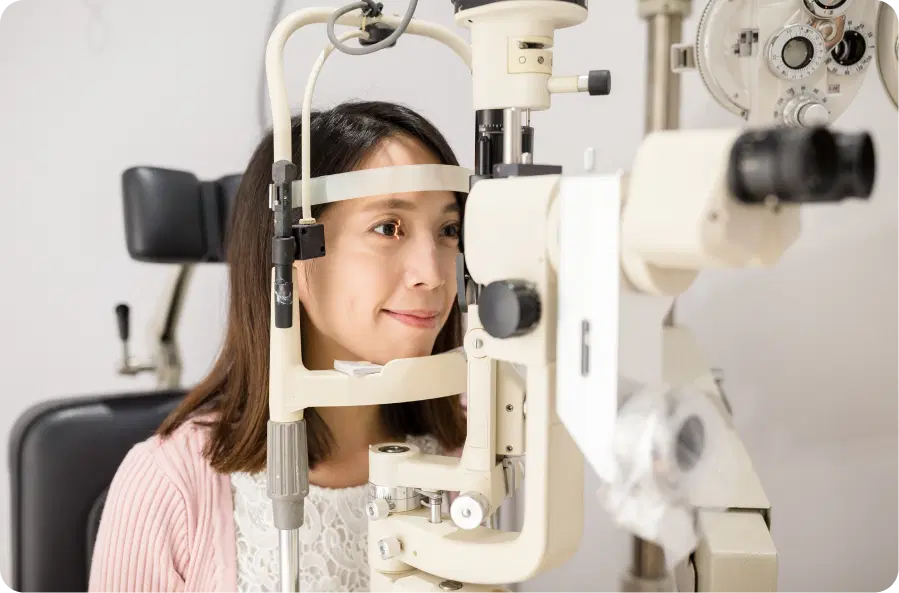
These tests help determine the presence, severity, and progression of glaucoma. A comprehensive glaucoma assessment may include:
Measurement of visual acuity
Eye pressure assessment
Examination of the optic nerve
Evaluation of the drainage angles
Visual field testing to assess peripheral vision
Optic nerve imaging to monitor structural changes
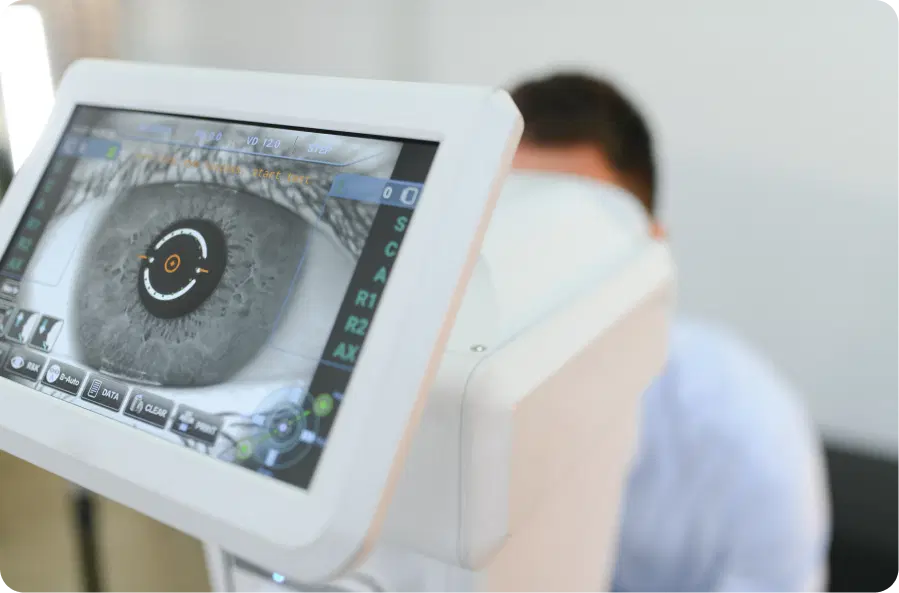
Normal tension
Normal Tension Glaucoma happens when the eye’s main nerve gets damaged even though your eye pressure readings look completely normal. At Eagle Eye Centre, we thoroughly check for this using:
- Pressure checks at different times of the day
- Checking your eye pressure while you change body positions
- Detailed health and lifestyle questionnaires
- Advanced 3D scans of the eye nerve
Our goal is to lower your eye pressure even further to protect the delicate nerve from more damage.
Treatment & management
Our main goal with any glaucoma treatment is to lower the pressure inside your eye to stop any further damage to the nerve.
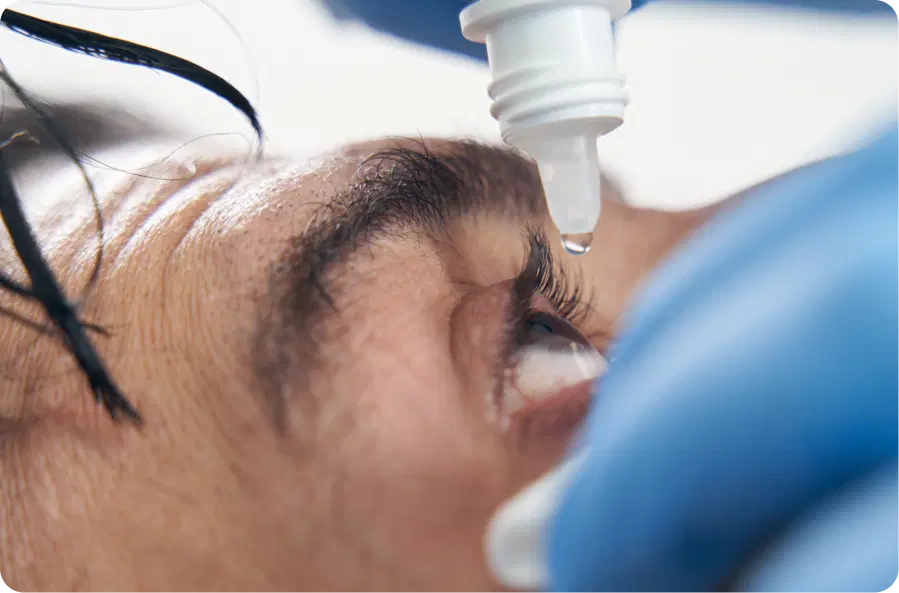
Safety Considerations for Atropine Eye Drops
Because every patient’s condition is unique, your treatment plan will be highly individualized to effectively control your eye pressure. Your management strategy may include:
- Prescription eye drops
- Laser therapy
- Surgical intervention
While treatment effectively preserves your remaining eyesight, it cannot restore lost vision. As a chronic condition, glaucoma requires lifelong clinical monitoring to protect your visual health.
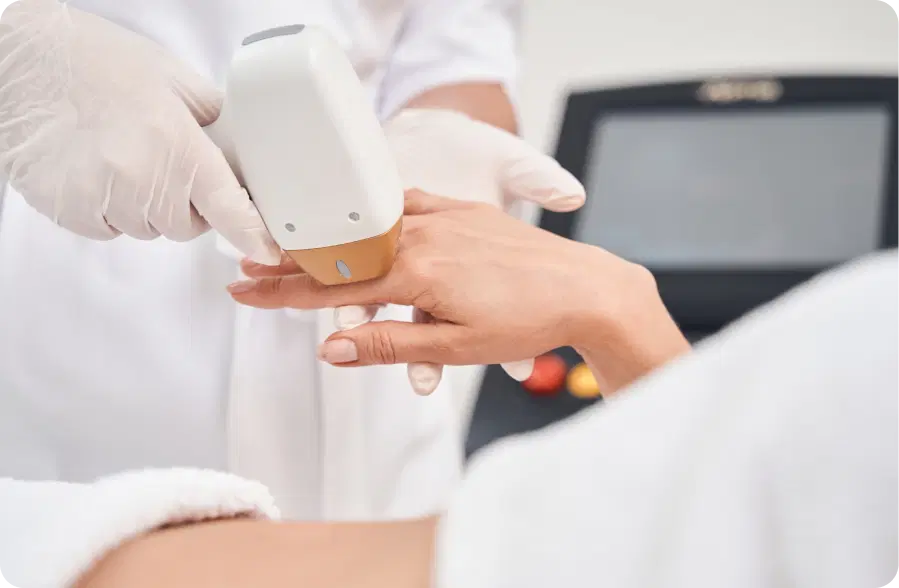
Medical treatment
A customized range of anti-glaucoma eye drops, including advanced combination therapies, will be prescribed based on your specific clinical needs.
Laser treatments
Our laser procedures may include:
- Laser peripheral iridotomy
- Laser iridoplasty
- Selective laser trabeculoplasty (SLT)
- Trans-scleral cyclophotocoagulation (TCP)
- Laser suture lysis after trabeculectomy
Surgical treatments
If drops and lasers are not enough, surgical options include:
- Trabeculectomy with anti-metabolites
- Combined cataract and glaucoma surgery (phaco-trabeculectomy)
- Glaucoma bleb needling or revision
- Glaucoma drainage implant surgery

Using glaucoma eye drops correctly
Proper medication adherence is the most critical step in preserving your sight. Please follow these essential guidelines:
- Follow prescriptions strictly: Never stop without your doctor’s approval.
- Wait 5 minutes: Allow 5 minutes between applying different types of drops.
- Press inner corner: Gently press the inner corner of your eye for 30 seconds after application.
- Wipe excess: Clean any extra liquid off your cheek.
- Set alarms: Use daily phone reminders to avoid missing doses.
- Bring your bottles: Bring all your eye drops to every clinic visit.
Laser treatment for angle closure
For patients with narrow or closed angles, a Laser Peripheral Iridotomy (LPI) is recommended to prevent sudden, dangerous spikes in eye pressure. The procedure is:
- Performed as an outpatient treatment
- Quick and well-tolerated
- Requiring minimal recovery time
Temporary mild discomfort or blurred vision may occur. Your specialist will explain all details, aftercare, and risks during your consultation.
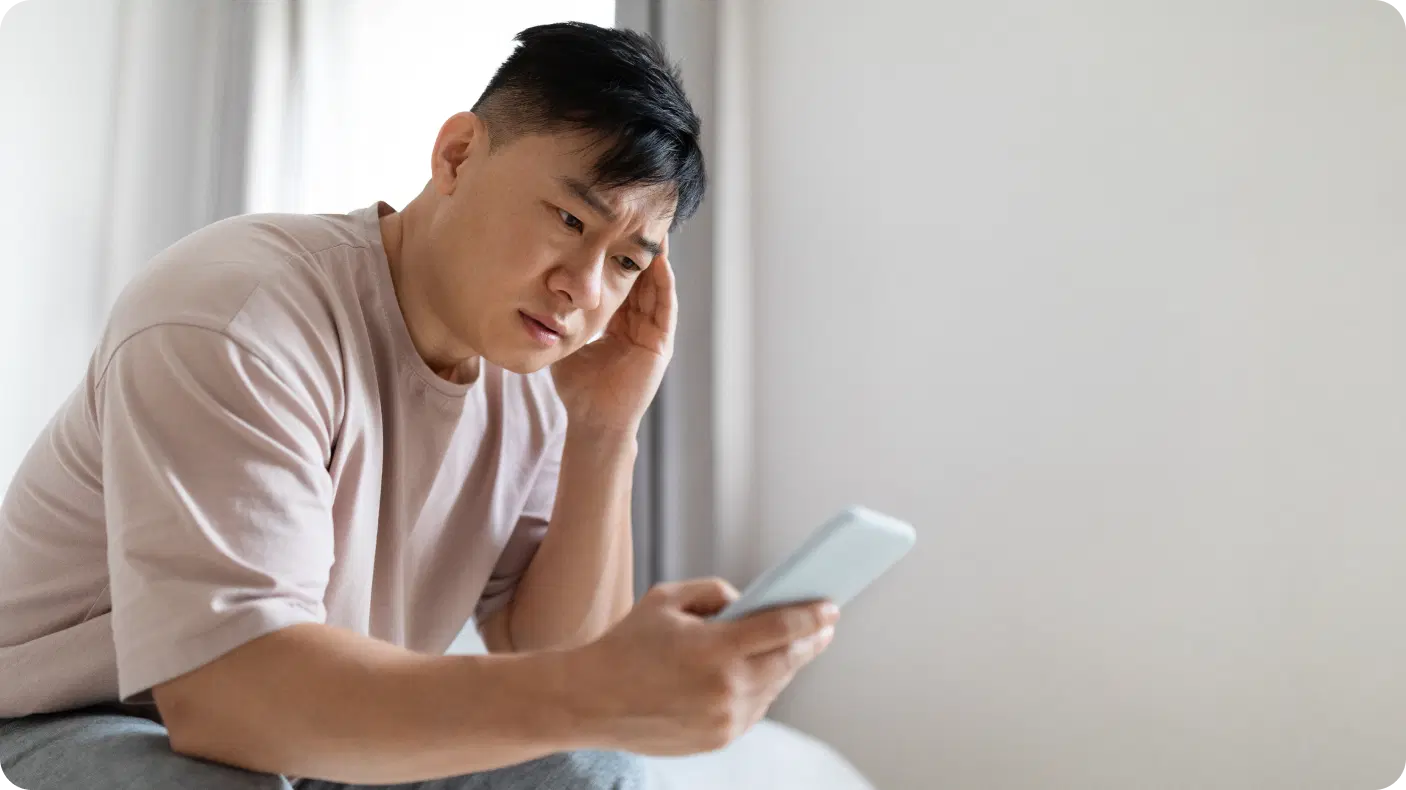
The importance of early detection
Early detection and proactive management drastically reduce your risk of severe, irreversible vision loss. We highly recommend scheduling a comprehensive eye examination if you:
- Are over 40 years old
- Have a family history of glaucoma
- Use long-term steroid medications
- Have diabetes or high refractive errors
- Have a history of eye trauma or surgery
- Experience blurred vision or eye discomfort
Frequently asked questions
Have questions about eye health? Our team can help you understand your condition and treatment options.
- Glaucoma cannot currently be cured, and vision already lost cannot be restored.
- Treatment can lower eye pressure and help slow or prevent further optic nerve damage.
- Regular follow-up appointments are important for monitoring the condition and protecting your remaining vision.
- No. Not everyone with glaucoma will lose their sight.
- Early diagnosis, appropriate treatment and consistent monitoring can help many patients maintain useful vision.
- The risk of severe vision loss increases when glaucoma is advanced, diagnosed late or not adequately controlled.
- Follow-up frequency depends on the type and severity of glaucoma, eye pressure, treatment and risk of progression.
- Some patients require reviews every few months, while stable cases may be monitored less frequently.
- Your ophthalmologist will recommend a follow-up schedule based on your condition.
- Glaucoma can affect one or both eyes.
- Many common forms affect both eyes, although one eye may be more severely affected.
- Both eyes should be monitored regularly, even if one eye appears unaffected or has no noticeable symptoms.
- A family history of glaucoma increases your risk of developing the condition.
- People with a parent or sibling who has glaucoma should arrange a comprehensive eye examination.
- Regular screening is important because early glaucoma often causes no noticeable symptoms.
- Yes. This is known as normal-tension glaucoma.
- Optic nerve damage can occur even when eye pressure readings are within the usual range.
- Diagnosis and monitoring may include optic nerve examination, optical coherence tomography (OCT), visual field testing and repeated eye-pressure measurements.
Our specialists
Our ophthalmologists provide comprehensive glaucoma assessment, treatment and long-term monitoring for patients with suspected or diagnosed glaucoma. Evaluation may include eye pressure measurement, optic nerve imaging and visual field testing to determine the type and severity of the condition. Based on the findings, treatment may involve prescription eye drops, laser procedures or glaucoma surgery, together with regular follow-up to control eye pressure and reduce the risk of further optic nerve damage and vision loss.

Dr David Woo Wen Wei
Consultant Ophthalmologist
WHAT YOU SEE MATTERS
Early detection protects your vision
Because glaucoma hides quietly without any early warning signs, a routine eye check is the only way to catch and treat it before permanent damage is done. Book a consultation with Eagle Eye Centre today to protect your sight.
