
Uveitis and Ocular Inflammation Treatment
Uveitis is a significant form of ocular inflammation characterized by redness, eye pain, blurred vision, and severe light sensitivity.

Understanding Uveitis and Ocular Inflammation
Uveitis is a significant form of ocular inflammation characterized by redness, eye pain, blurred vision, and severe light sensitivity. If left untreated, it poses a critical threat to your eyesight, potentially progressing to cataracts, glaucoma, retinal damage, or permanent vision loss.
At Eagle Eye Centre, our expert ophthalmologists utilize advanced diagnostic imaging to accurately detect all inflammatory eye conditions. We provide highly individualized treatment plans designed to rapidly resolve inflammation and rigorously safeguard your long-term visual health.
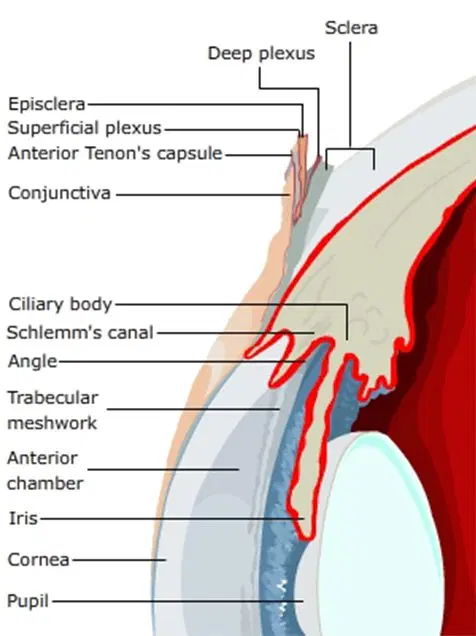
What is uveitis?
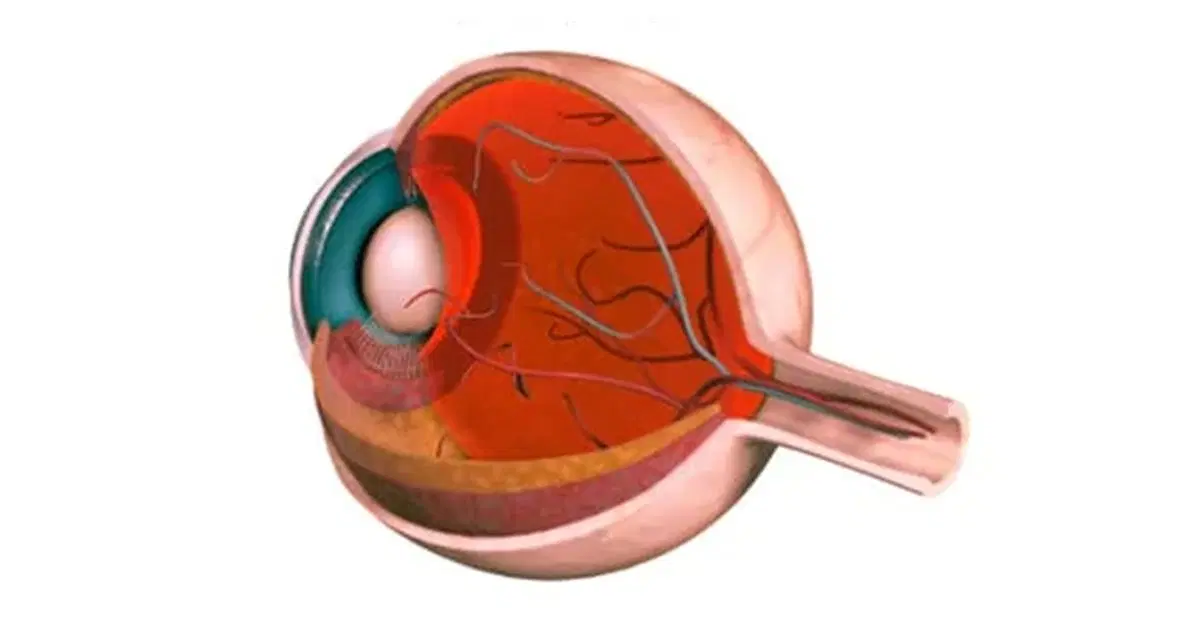
Uveitis is a serious inflammatory condition affecting the uveal tract, the vital middle layer of the eye situated between the inner retina and the outer sclera. This crucial layer is composed of three essential structures:
- Iris: The colored portion that meticulously regulates the light entering your eye.
- Ciliary Body: The mechanism responsible for producing intraocular fluid and precisely focusing the lens.
- Choroid: A vital vascular network that delivers essential oxygen and nutrients to the retina.
When inflammation compromises any of these delicate components, it severely disrupts normal ocular function. Without prompt clinical intervention, uveitis can inflict irreversible damage to these sensitive tissues and threaten your overall vision.
Types of Uveitis
To ensure the most effective and targeted treatment, uveitis is clinically classified by the exact location of the inflammation within the eye:
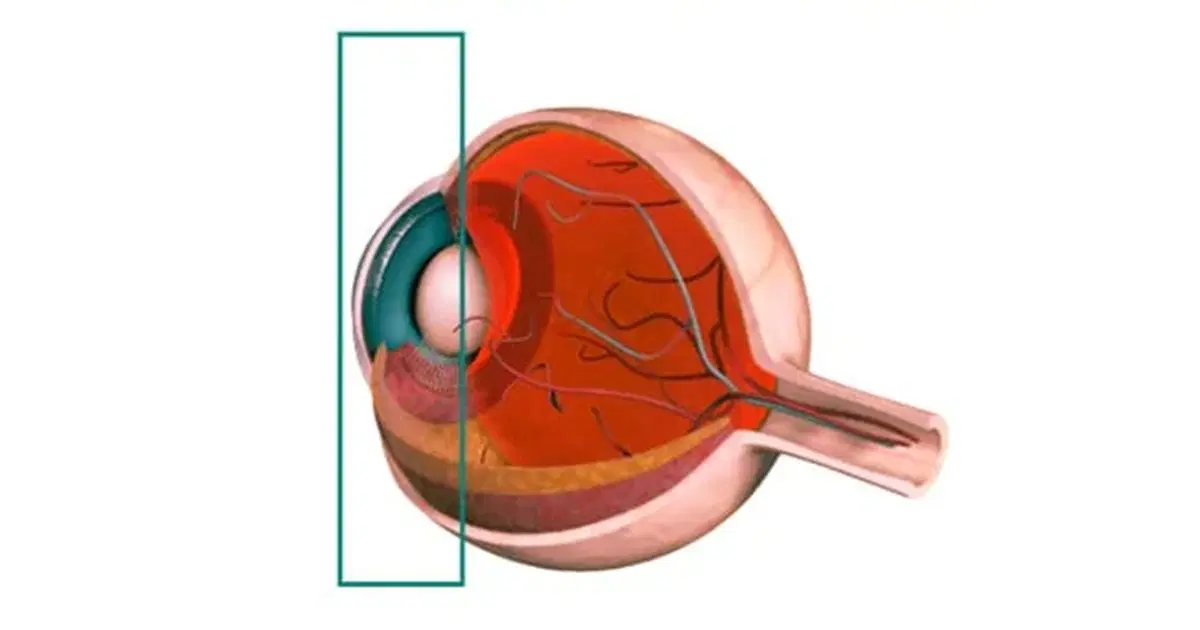
Anterior Uveitis
The most common form, primarily affecting the front of the eye (iris). Typically presents with redness, pain, and light sensitivity.
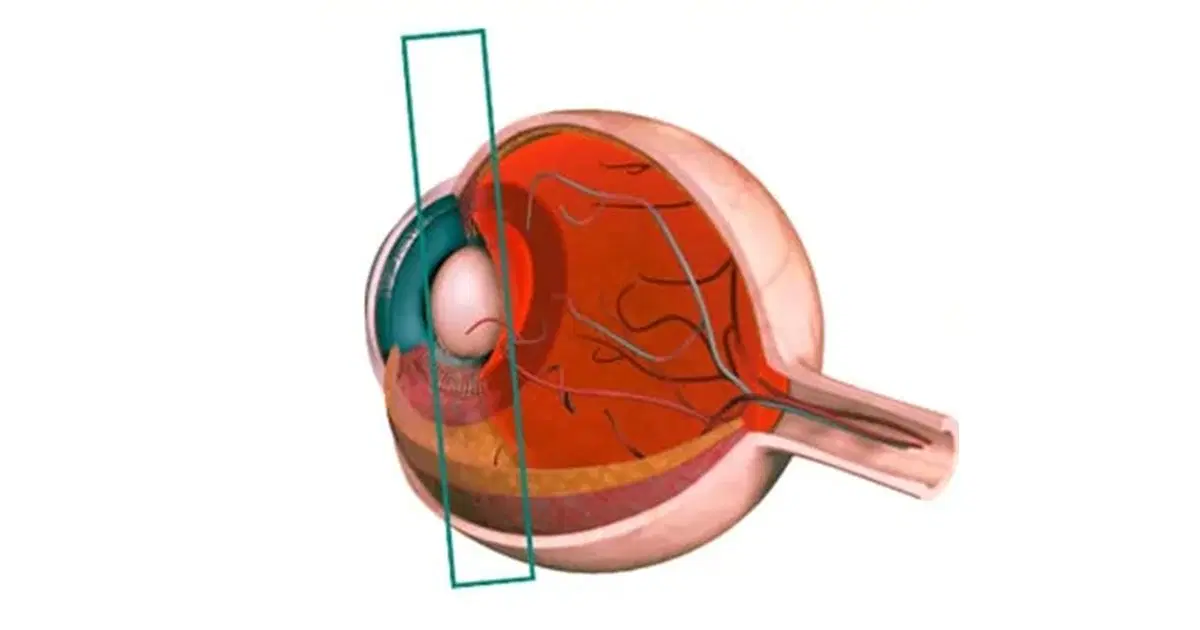
Intermediate Uveitis
Involves the vitreous gel in the middle of the eye. Often characterized by prominent floaters and blurred vision.
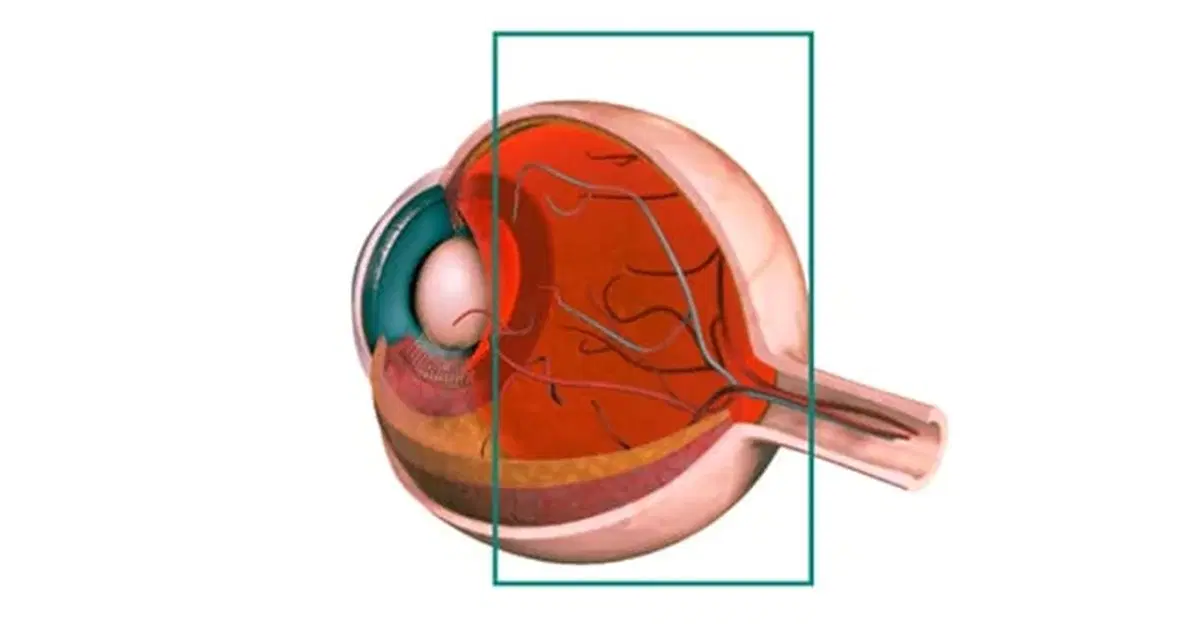
Posterior Uveitis
Affects the retina or choroid at the back of the eye, carrying a high risk of significant vision impairment.
Panuveitis
A severe condition where widespread inflammation affects all layers of the uvea simultaneously.
Symptoms of Ocular Inflammation
The onset of ocular inflammation is highly unpredictable, with symptoms developing suddenly or gradually depending on the specific type and severity of your condition. Crucially, some cases present absolutely no obvious warning signs. These "silent" inflammations can quietly threaten your vision and are only detectable through a comprehensive clinical eye examination, underscoring the vital importance of routine specialist assessments.
Eye redness
Eye pain or discomfort
Sensitivity to light (photophobia)
Blurred or reduced vision
Floaters (dark spots moving across vision)
Excessive tearing

Causes and risk factors
Ocular inflammation arises from diverse triggers. Even in cases with no identifiable cause, our specialists provide effective, targeted treatment.
Possible causes include:
When a specific trigger can be identified, it typically falls into one of the following categories:
- Autoimmune & Inflammatory Disorders: Conditions such as ankylosing spondylitis, rheumatoid arthritis, sarcoidosis, and inflammatory bowel disease.
- Infections: Viral (e.g., herpes), bacterial, tuberculosis, and toxoplasmosis.
- Ocular Trauma: Previous physical injuries or trauma to the eye.
- Systemic Conditions: In certain cases, uveitis serves as a localized indicator of a broader immune system disorder affecting multiple organs.
How uveitis is diagnosed?
Finding the exact cause requires a very close look by an eye specialist.
Your doctor may perform:
Accurately diagnosing uveitis requires a comprehensive evaluation by our expert ophthalmologists. To pinpoint the precise cause, your assessment may include:
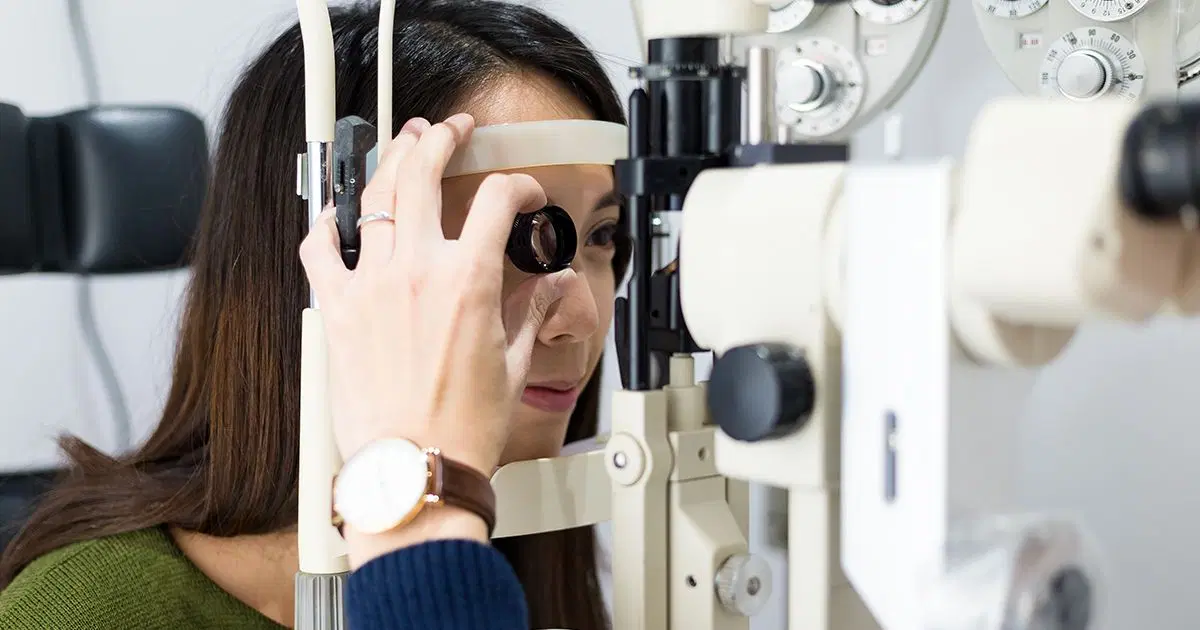
- Slit-Lamp Examination: To closely assess inflammation levels in the front of the eye.
- Dilated Retinal Exam: To thoroughly examine the health of your retina and optic nerve.
- OCT Imaging (Optical Coherence Tomography): For high-resolution, cross-sectional views of your eye structures.
- Fundus Photography & Angiography: To accurately evaluate retinal blood circulation.
Because ocular inflammation is frequently linked to broader systemic conditions, additional tests may be recommended to identify the exact root cause, such as:
- Targeted Blood Tests
- Systemic Imaging Studies
- Infectious Disease Screenings
Together, these advanced diagnostics allow our specialists to formulate a highly customized and effective treatment plan for your long-term visual health.
Treatment for Uveitis and Ocular Inflammation
Treatment aims to rapidly relieve symptoms, halt inflammation, and safeguard your long-term vision. Based on the specific cause and severity of your condition, your personalized treatment plan may include:
Medicated eye drops
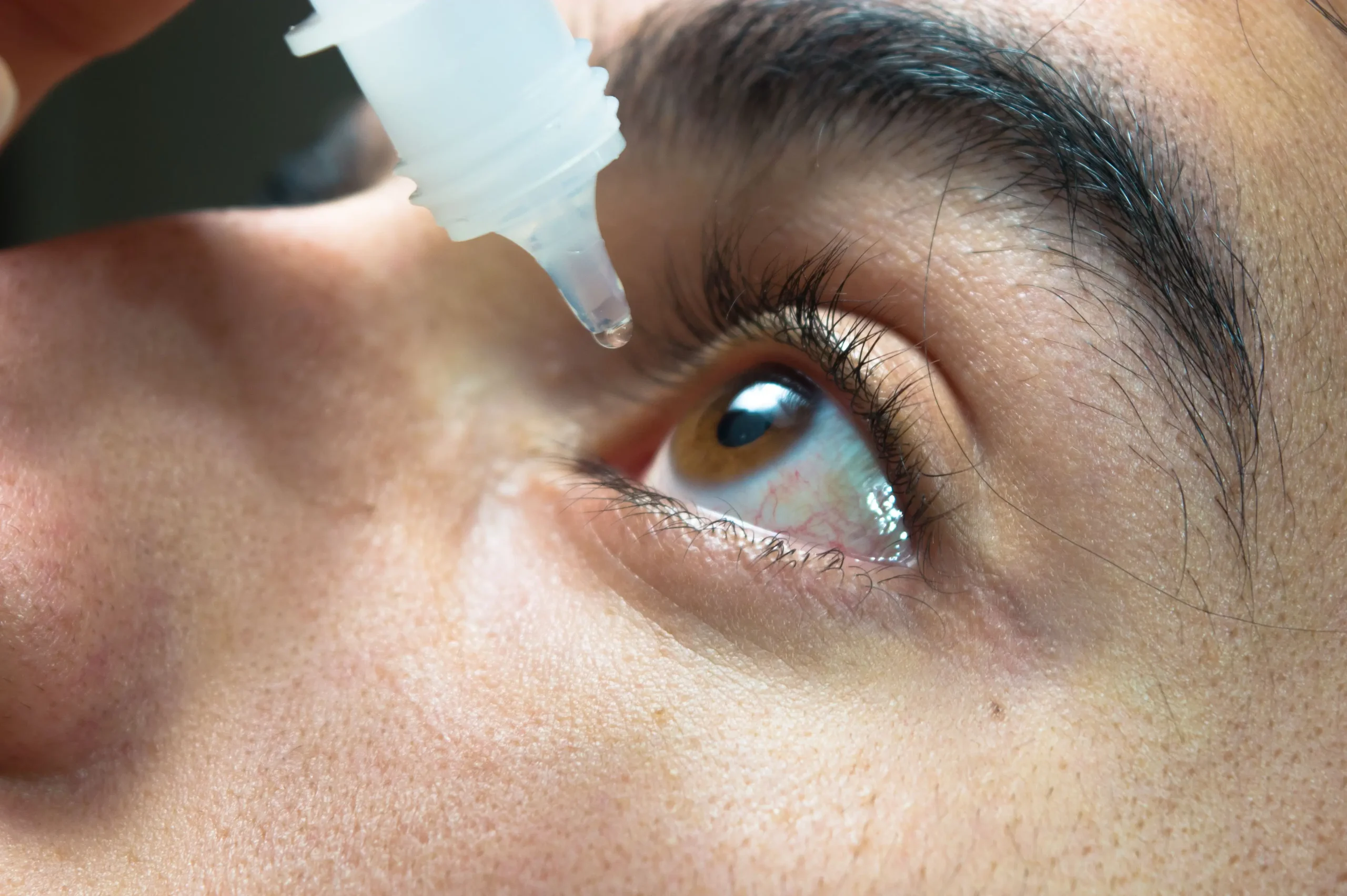
- Strong anti-swelling drops to calm the eye quickly
- Special relaxing drops to stop the deep aching pain and prevent further damage

Oral medications
- Pills that fight full-body inflammation
- Special medicines to help control an overactive immune system
Injections
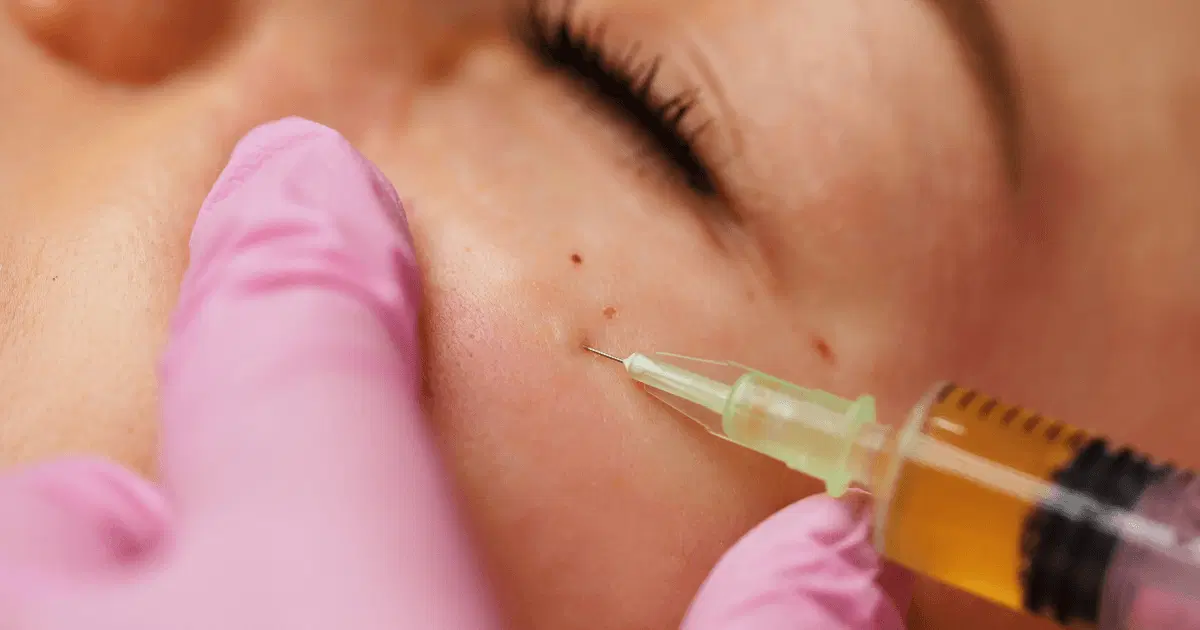
For severe cases, safe medicine injections near or inside the eye can deliver fast, strong relief directly to the swollen area.
Frequently asked questions
Have questions about eye health? Our team can help you understand your condition and treatment options.
- A red eye can have many causes, and symptoms alone cannot confirm uveitis.
- Warning symptoms may include eye pain, sensitivity to light, blurred or reduced vision and floaters.
- Seek prompt assessment if redness is accompanied by pain or vision changes.
- Uveitis can be serious and may require urgent assessment.
- Seek immediate care for severe eye pain, marked redness, strong light sensitivity, sudden floaters or reduced vision.
- Early treatment may reduce the risk of complications and further vision loss.
- Some forms of uveitis are associated with infections, autoimmune diseases or other health conditions.
- Blood tests, imaging or infectious disease screening may help identify or rule out possible causes.
- Not every patient requires the same tests, and a clear cause is not always found.
- Steroid eye drops are commonly prescribed to control inflammation, particularly in anterior uveitis.
- Use them exactly as instructed and do not change or stop treatment without medical advice.
- Regular reviews are needed to monitor inflammation, eye pressure and possible cataract or infection risks.
- Yes. Uveitis may recur depending on its type and underlying cause.
- Attend scheduled follow-up appointments even after your symptoms improve.
- Seek prompt care if redness, pain, light sensitivity, floaters or blurred vision return.
WHAT YOU SEE MATTERS
Schedule an eye check up
If your eye is red, painful, or your vision has suddenly changed, our expert eye doctors at Eagle Eye Centre are here to help. Book a consultation with us right away to find out exactly what is causing the pain and get a personalized treatment plan to protect your sight.
Our specialists
Our team includes fellowship-trained ophthalmologists experienced in diagnosing and managing uveitis, ocular inflammation and related autoimmune or infectious eye conditions. Using detailed eye examinations, diagnostic imaging and additional investigations where appropriate, they assess the type and possible cause of inflammation. Treatment is personalised and may include medicated eye drops, oral medication or injections, together with regular monitoring to control inflammation and reduce the risk of complications and further vision loss.

Dr Sim Sing Yue
Consultant Ophthalmologist
